Italiano
La pozza
The original voice: a small puddle speaks about its brief existence, play and return.

Miniature was not created as a tool for teaching Italian. It was created as a musical and theatrical work in Italian. Precisely for this reason, it can offer students, teachers and cultural audiences an encounter with the language as it creates images, rhythm, characters and relationships.
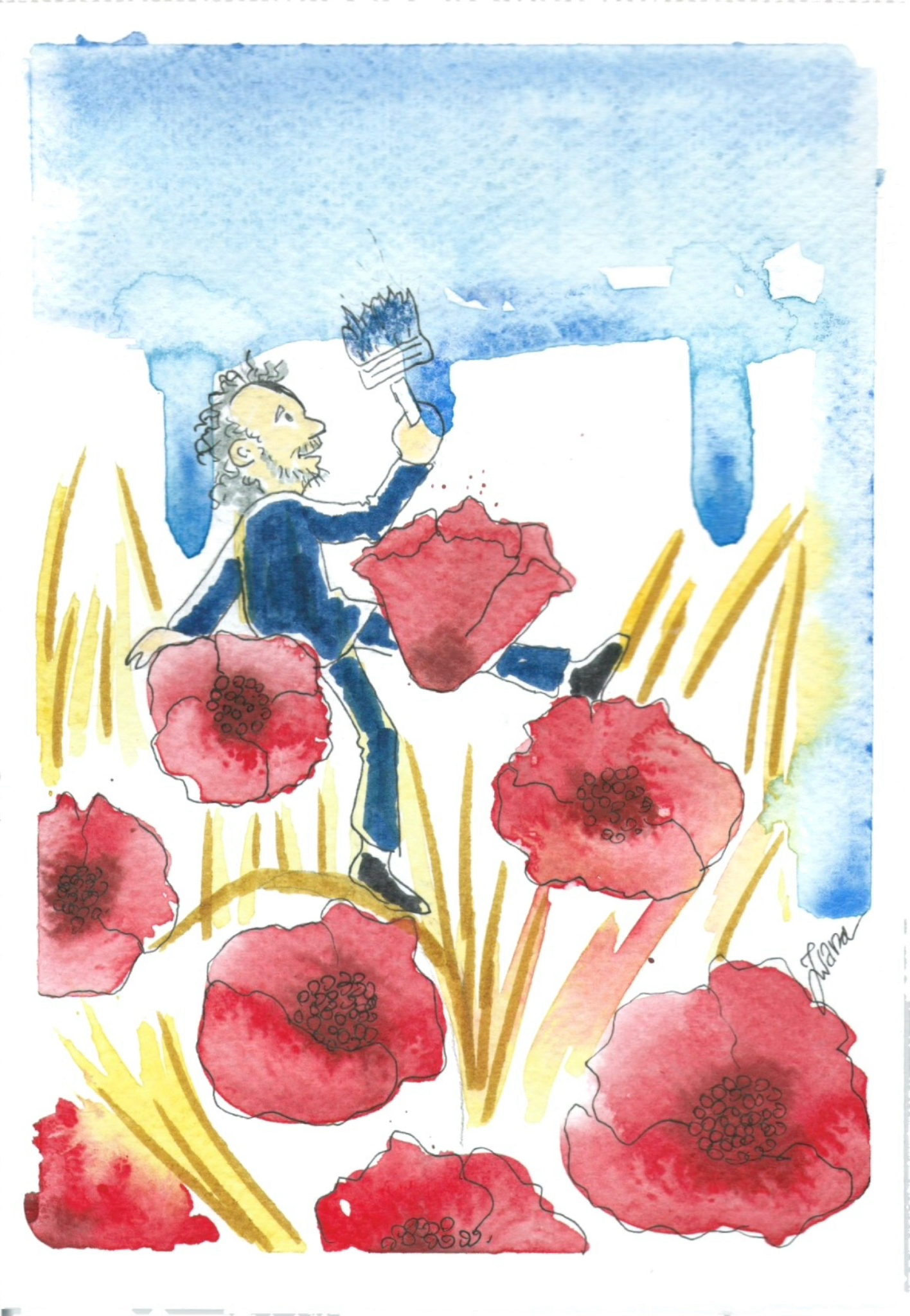
Many texts in Miniature are written in the first person. A cloud, a stone, a puddle, a shadow, a branch, a footprint or the sea are not simply described: they become subjects who remember, observe, change, encounter someone and leave traces.
Language remains within the song. It is not separated from melody, rhythm or the voice that speaks it; in the trio version it also enters into relation with the body, objects, movement and light.
Miniature belongs within a broader body of work developed by Arnolfo Borsacchi as a musician, composer, music educator and trainer. His continuing work with children and classes sits alongside the writing of numerous other original songs for children, separate from the Miniature repertoire, and a poetic practice developed through verse, wordplay and song.
Some of the repertoire written for educational work has been translated or adapted into other languages for music-education and training activities with children and adults abroad. The multilingual dimension is therefore not an addition created for this proposal, but part of a wider artistic and educational practice. His poetic work has also continued in the two books of poetry games Animali in versi and Città del mondo in versi.
The texts of Miniature are in dialogue, among other experiences in Italian poetry, with the way of looking found in Giovanni Pascoli’s Myricae: attention settles on minute realities in nature and everyday life, allowing what seems simple to acquire poetic density.
The connection is neither a derivation nor an exclusive key. Miniature cannot be reduced to the formula “poetry of small things”. Its distinctive poetic device is to give things a voice and follow their existence until broader themes emerge: relationship, transformation, time, trace, separation, loss, continuity and return.
On the first album, La pozza also exists in Portuguese and English. The three versions make visible a question that can become material for an encounter: what happens to a poetic image when it changes language?
The original voice: a small puddle speaks about its brief existence, play and return.
The Portuguese version was written just a few minutes after the Italian one, within the same creative impulse.
The English version required a longer process. The same story moves through a language with different rhythms, sounds and solutions.
The Portuguese and English versions are part of the original recording project of Miniature.
The proposal is not a fixed teaching package. Concert, performance and workshop can be combined according to the audience and the host institution’s programme.
The duo: voice and guitar, with words and songs to the fore. A particularly agile format for Italian Cultural Institutes, universities, libraries and events dedicated to the Italian language.
The trio: two voices/performers and guitar. Language also passes through movement, objects, theatrical action and light.
Give a thing a voice, explore personification, write a short poetic voice or bring different language versions into dialogue.
This strand of Miniature is designed for organisations that promote Italian language and culture and are looking for artistic forms that allow people to encounter the language beyond the classroom.
No single language level is set in advance: repertoire, presentation and any accompanying activities are defined together with the institution according to the audience.
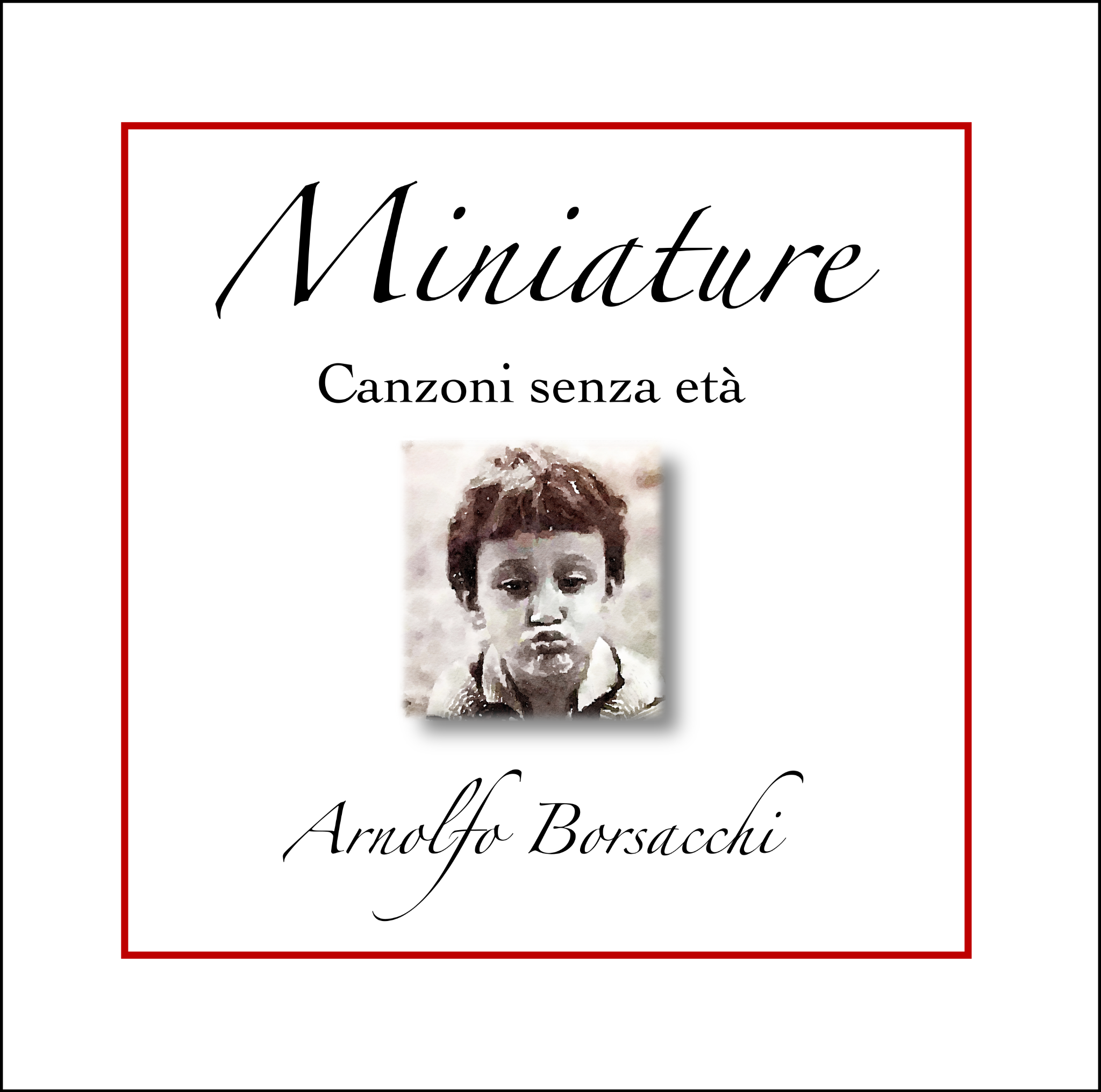
The album is the first place where the poetic world of Miniature took shape. It can be listened to before an encounter or simply remain as a trace after the performance.
Concert with storytelling in duo, performance in trio, an encounter with students or wider audiences, or a workshop: the format can be shaped according to the host institution’s cultural and language programming.